
Alongside
On Thursday 20th March 2025 at 9:01am, astrological spring begins for the UK. Another year launches itself on the tides of the sun. What have I done this last year?

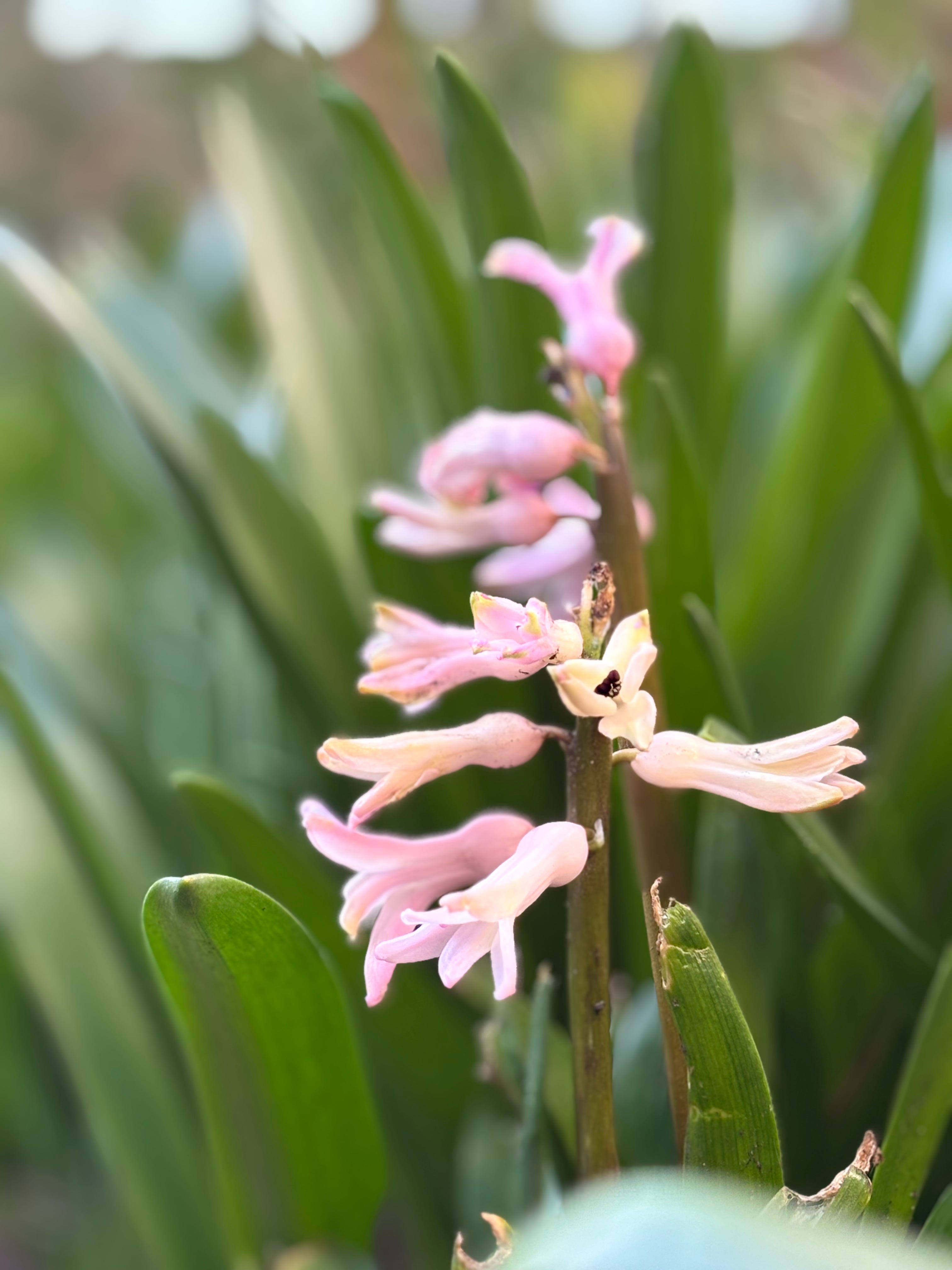
What have I been doing?
Blink and the middle of this decade has arrived, unbidden. Time requires no-one’s permission.
What have I been doing, these last five years?
In 2020, in the midst of a pandemic, there was a breakdown, I remember. Time in my garden and allotment, I remember – but not in the ways I remember other things. Time in contact with earth becomes fluid. When you pour illness through your fingertips into the soil, memory becomes folds and networks. Not lines. Your boundaries break down. A breakdown becomes less like a rupture and more like a natural process of decomposition. Making space for new things. Composting. And composing: I’ve written a lot these last five years.
Across the damp, slug-filled spring of 2021, still in recovery, I wrote an essay that was unexpectedly shortlisted for writing prizes and published in an anthology. Q is for Garden was the work that wrote itself: a gardening diary-cum-memoir-cum-cultural history of gender, sexuality and cultivation that sought out life beyond the binary in plants, and humans who loved – and love – plants.
If only it were as simple as to say that I wrote – and gardened – myself well; that the nature cure returned me to a place of wellbeing. It’s more that I wrote and gardened alongside illness, or illness kept pace with me as I wrote and gardened. I embraced nature’s inconstancy, and my own. And then other things happened.
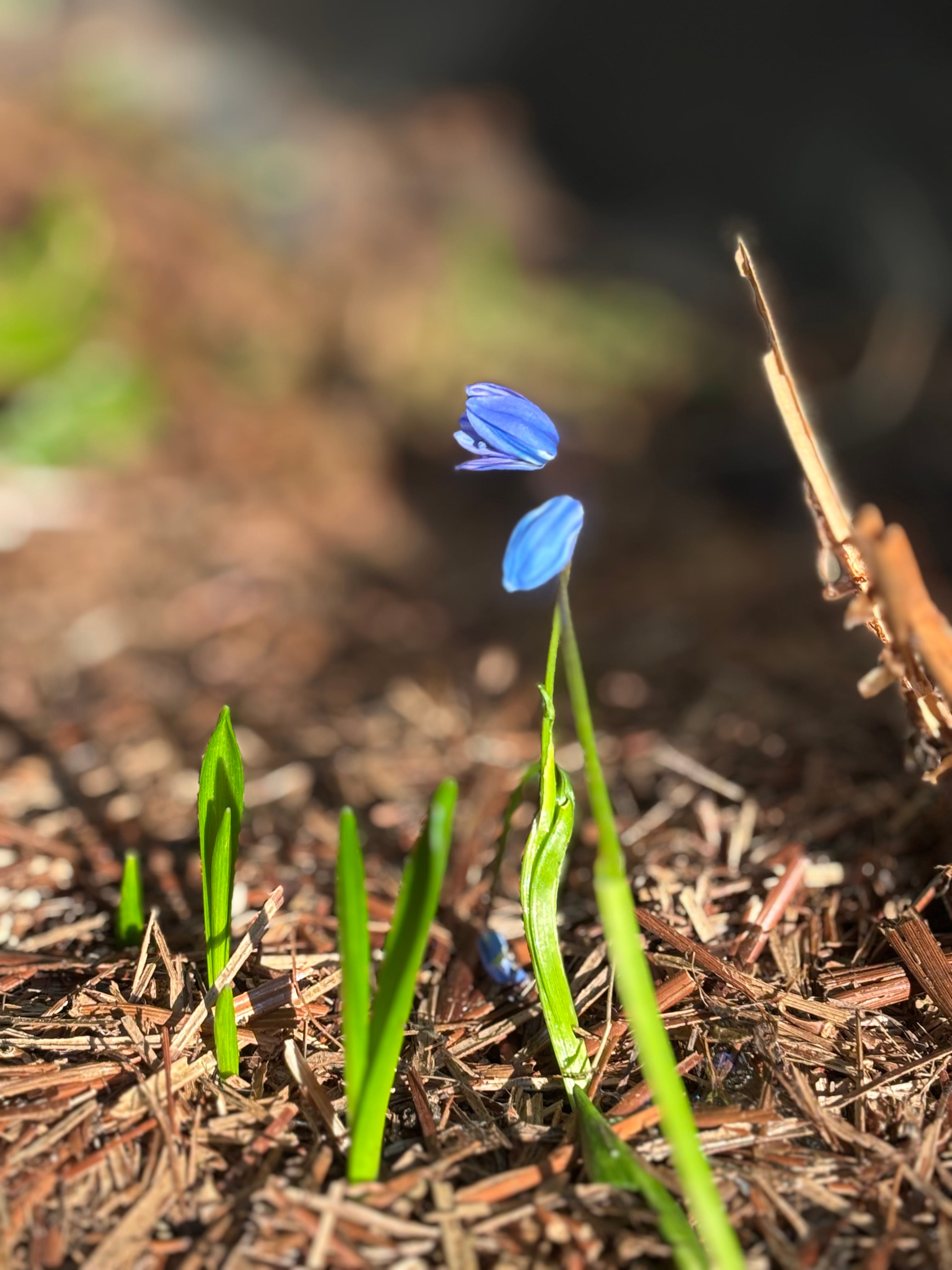
When lockdown forced a temporary parity between those who go out into the world and those with energy-limiting conditions who do not, I curated online screenings with the LUX on disability rights attended by people from around the world. And then, as lockdown slowly lifted towards summer 2022’s fiery heat, I curated an in-person care-led experience that make space for feeling in the cinema: before, during, after. Alongside my tender, wise collaborator Gaylene Gould, we piloted this slow, warm, inclusive, hospitable approach to film at BFI Southbank, screening Palestinian artist Jumana Manna’s tender, wise film FORAGERS (2022). We called the project, quite simply, HOW DO YOU FEEL CINEMA? Our participants told us that by making space for feeling, a space for healing opened up. For us too.
As the dark winter ticked over into 2023 I met my agent, the brilliant Caro Clarke of Portobello Literary. I was commissioned to contribute to THIS ALLOTMENT, Sarah Rigby’s beautifully edited anthology just as the Israel-Gaza war broke out. Through tears of fury and ecological grief I wrote about land love and land rights and land responsibilities. And then, on a glorious sundrenched Sunday in 2024, after tea and cake in Vanessa Bell’s kitchen, I spoke on stage about grief and revolution alongside Sarah and the dynamite goodness that is Marchelle Farrell (go buy UPROOTING) at Charleston Festival of the Garden.
In 2024, I started a new job, with high hopes about its possibilities. But maybe hope isn’t the right word. Hope is a feeling with forward motion. Rebecca Solnit’s book Hope In The Dark calls me out – or perhaps, in:
hope is not about what we expect. It is an embrace of the essential unknowability of the world, of the breaks with the present, the surprises. Or perhaps studying the record more carefully leads us to expect miracles – not when and where we expect them, but to expect to be astonished, to expect that we don’t know. And this is grounds to act. I believe in hope as an act of defiance, or rather as the foundation for an ongoing series of acts of defiance, those acts necessary to bring about some of what we hope for while we live by principle in the meantime. (109-110)
Hope is what keeps things from falling into despair. It is an act of defiance. Hope In The Dark compels me forward – the book and the phrase. Hope does not come from what we expect. It comes from what we don’t yet know. From not knowing.
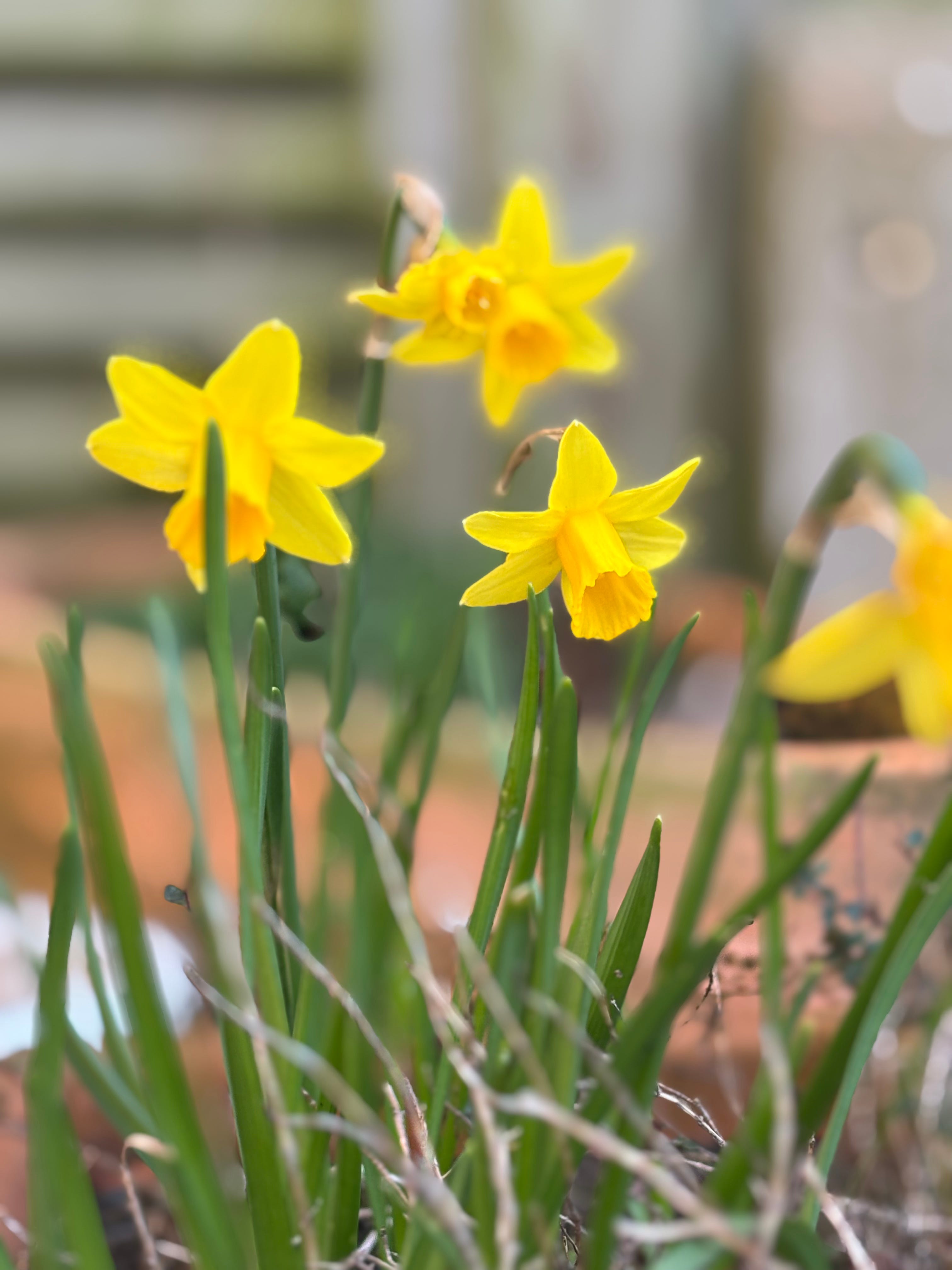
Not knowing, that queer feeling. I don’t mean that only queers feel it. All of us live in uncertainty. I mean queer in the sense of strange, slant, oblique, discomfiting. Open. Querying.
There’s an assumption that not knowing is shameful. There’s another one, that autistic people have to know everything, to plan everything before they begin a task or an activity or an invitation.
But that’s not true. Autistic people – and when I say this I can only truly speak for myself, though I know this perspective is backed by evidence-based science – live in an environment where not knowing is the norm. Every aspect of this world designed for neurotypical people contains unknowns. Unspoken rules of conduct, speech, action and reaction, noise, light, smell, taste and touch mean that your average neurospicy person spends every moment of their life navigating not knowing.
Neurodivergent people are experts in not knowing. We are connoisseurs of its queer, slant feelings. Maybe that makes us experts in hope, which we twin with our grief about a world that was never made for us.
‘We’ trips easily off the tongue. A tribe, a community. There is a certainty to words like ‘we’ and ‘us’ that I can’t in all honesty stand behind. In truth I do not know this us. Not yet. I only know this me.
And even then.
Even then.
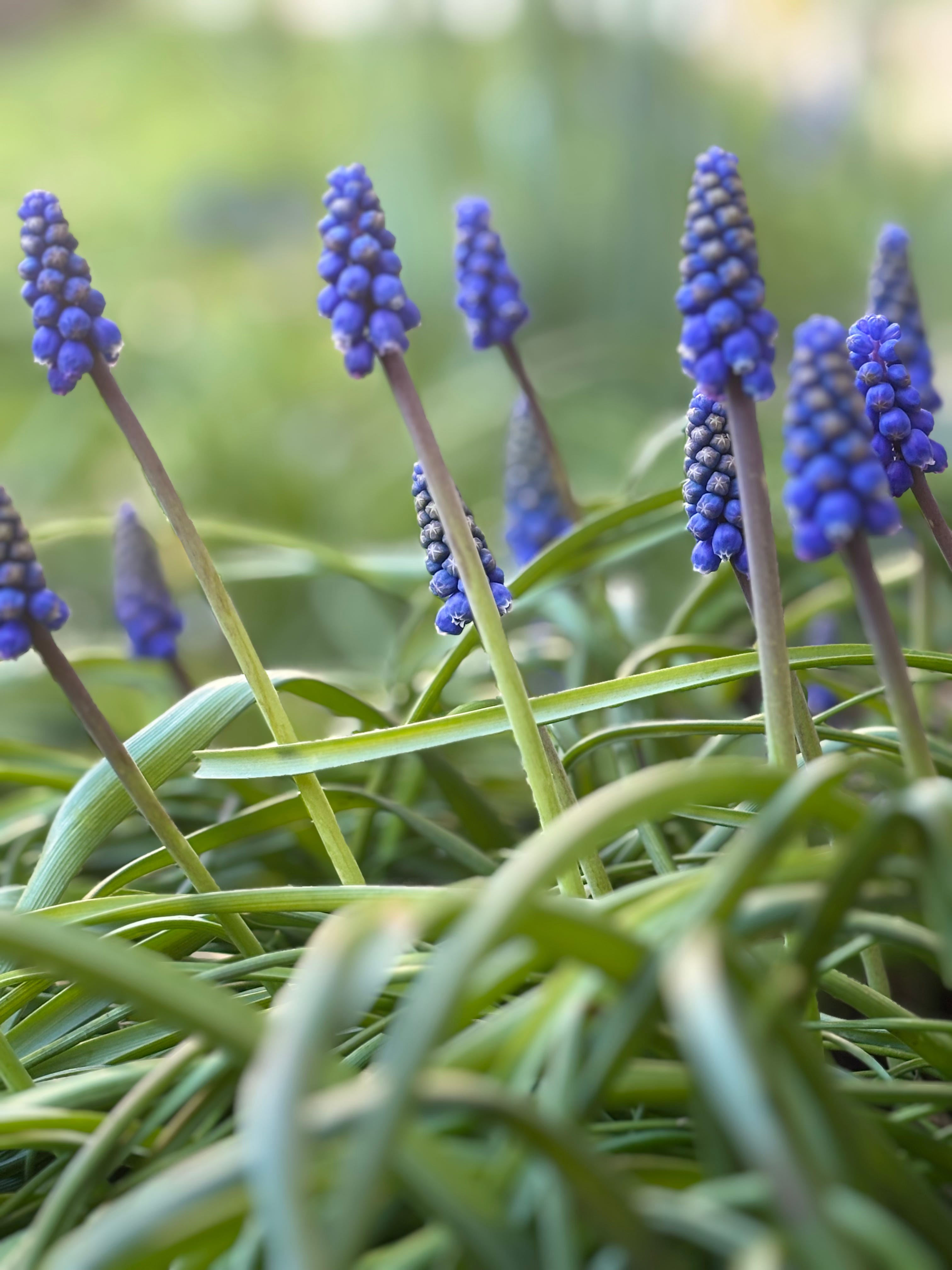
In the opening moments of Coral Wylie’s new play LAVENDER, HYACINTH, VIOLET, YEW, their 19-year-old protagonist Pip writes in their journal, “I don’t know myself. I don’t know how to fix it.”
Does not knowing need to be fixed? Yes and no. Fix is a tricky word for a non-binary soul. Does non-binary identity need to be fixed, or to flow? To be unstoppered from the containers that constrain.
Pip finds their way through. The ghost of an old family friend speaks to them via a small diary found in the pocket of a shell suit jacket the colour of sunrise. D, Duncan, an out, proud, Black gay man, the best friend of Pip’s father and closeted bisexual mother, comes alive in his entries. D who gardens with joy and irreverence through the late 1980s and early 1990s. D, speaking life as it is: queer sex-diverse avocados, hyacinths and yews; queer Black joy; intimate, yearning love for his friends; fear in his heart.
Alongside Derek Jarman whose Modern Nature diaries make a regular appearance, D plants rosemary and lavender in his imaginal garden, and an old English rose. In the play’s final scene, the stage is filled with plants in pots, hanging from the roof, stacked on stepladders, arranged in moss, eclectic and gorgeous even after the final bow. Plants are the companions to their human counterparts, on-stage and off.
In the final weeks before his death from AIDs-related illness, D speaks directly through his diaries to Pip; at the time a small baby who doesn’t yet have a name. Pip, the small seed, is planted in Duncan’s mind. As they read D’s words Pip the young adult finds themselves flourishing. Unfurling.
Pip comes to know themselves through D, and his imaginal garden.
No, not through. Alongside.
When someone tells a story – a life story – differently to the stories you grow up with, that story becomes a conduit. A flow, a flourish, not a fix. A patch and a mend. A sort of knowing unknowing. That too is a form of hope.
I have been a regular meditator since 2014. I don’t meditate to rid myself of thoughts, or to heal, or to become one with the universe. I meditate like Shakespeare’s seven stages of man: I come to it infantine, reluctant, woeful, querulous, pompous, anodyne, close to nothing. I come to it kind, grieving, warm, numb, coughing.
I meditate to listen.
When I go quiet, close my eyes and breathe, I listen.
What have I been doing these last five years?
Drop it in the well. See what comes up.
I do not want to remember the last five years for my achievements. The things I have done are the things I have done. Others have done more, or less. When I tune into the self I had before the breakdown, before everything broke down, I can hear that tender self clamouring to do more, better, faster. To have published more, to have capitalized on every opportunity fivefold. But if I’d done that, when would I have listened?
When would I have listened to my tender shoots, the ones that take longer in the ground?
When would I have listened to the parts of me that are still in slow transformation, carrying impulses along the mycelial networks of which I am just one small node?
When would I have listened to the networks themselves, the communities that nurture me?
When would I have built that sense of listening alongside?
**
LAVENDER, HYACINTH, VIOLET, YEW is playing at The Bush Theatre in London until 22 March. Do catch it if you can. You won’t regret it.
If you would like to donate to Medical Aid for Palestine, you can do so here